GBB Institute

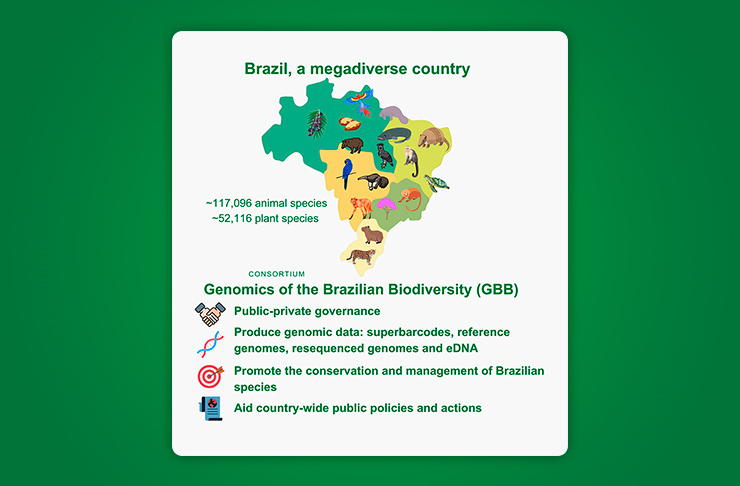
Since late 2022, the Vale Institute of Technology (ITV) and the Chico Mendes Institute for Biodiversity Conservation (ICMBio) have been jointly leading the largest genomic sequencing initiative of biodiversity ever carried out in Brazil. The project aims to support public policies, conservation strategies, and nationwide monitoring efforts.

With a focus on priority species and a groundbreaking approach in the country, the GBB generates essential genomic data to guide conservation actions.

More than generating knowledge, the GBB aims to turn science into action, enhancing the potential of Brazilian research to protect our biodiversity.

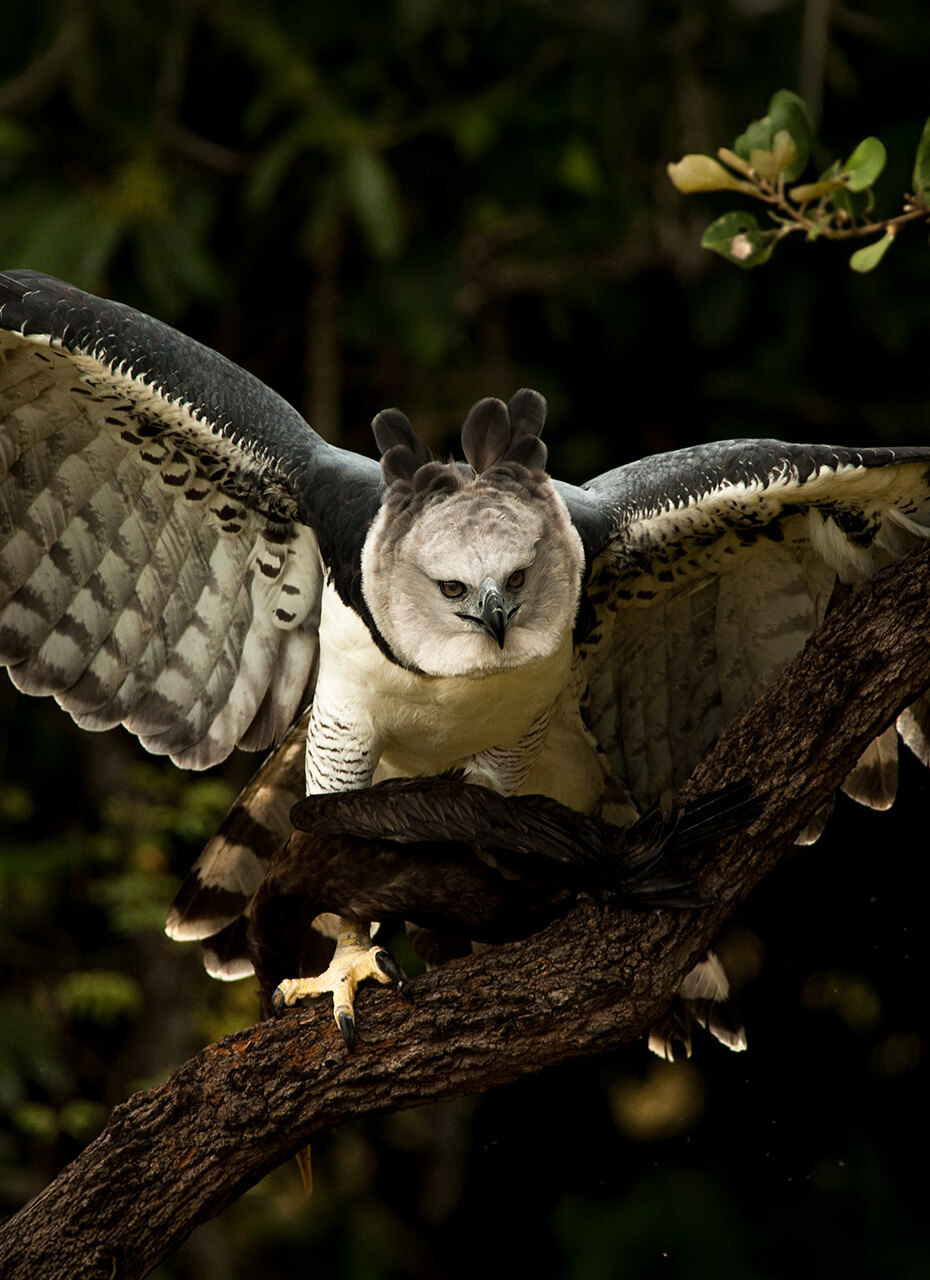
  • Harpy Eagle
    NEAR THREATENED
    Harpy Eagle
    Harpy Eagle
    (Harpia harpyja)
    Genomic data made it possible to map the entire genome of the harpy eagle and analyze its demographic history. The analyses indicate low genetic diversity and signs of population decline over the past several thousand years, which increases the species’ vulnerability and reinforces the need to maintain connected forest areas.
    Distribution
    The harpy eagle inhabits large forested areas in the Amazon, Cerrado, Atlantic Forest, and Pantanal biomes, occurring in states across the North, Central-West, and parts of the Northeast, Southeast, and South regions. Its presence is an indicator of well-preserved environments, as it depends on large trees for nesting.
    Conservation status
    Classified as Near Threatened (NT), it is affected by deforestation, logging, and hunting. Habitat loss is the main threat, worsened by developments that fragment forest areas.
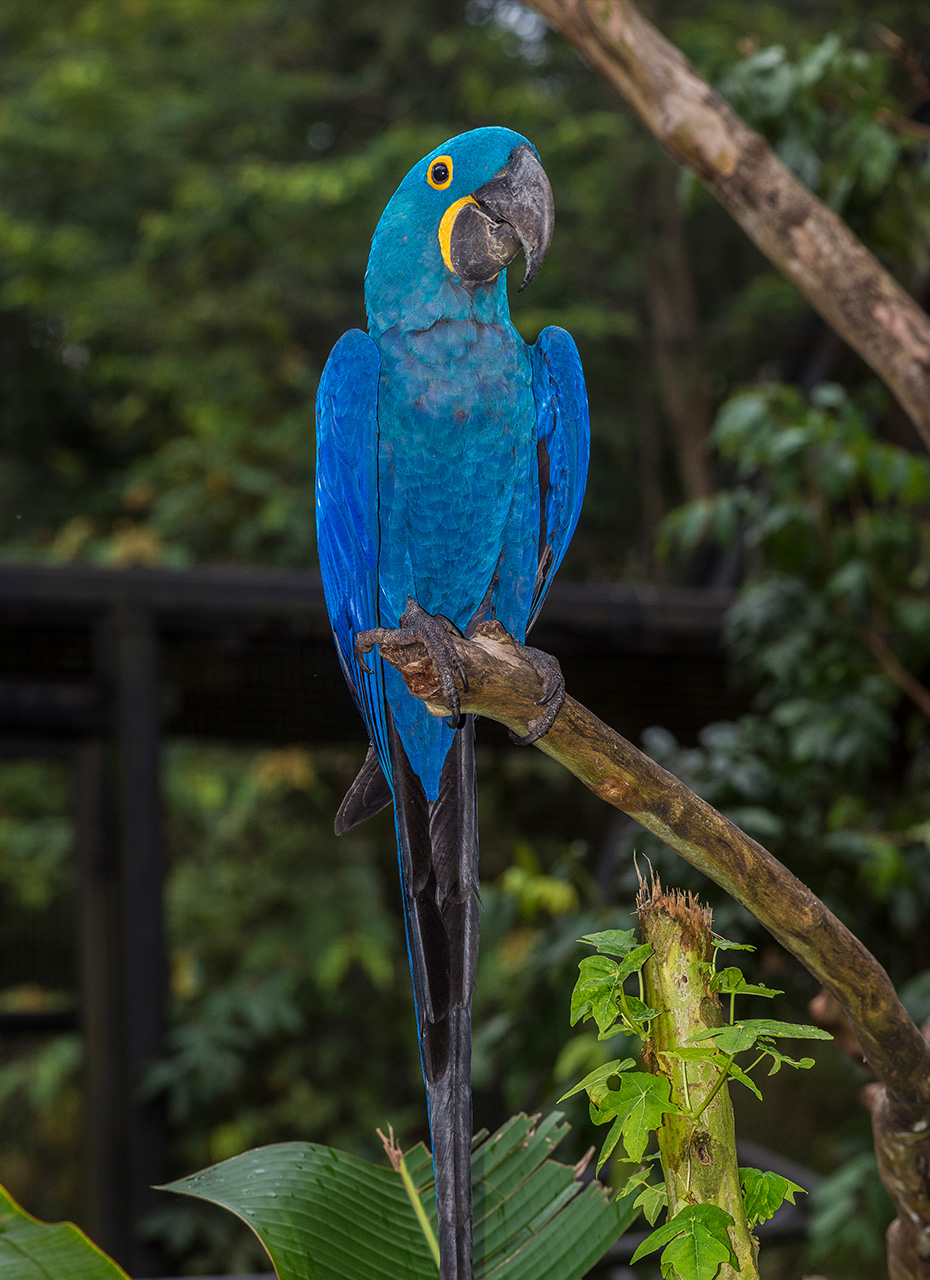
  • Hyacinth Macaw
    VULNERABLE
    Hyacinth Macaw
    Hyacinth Macaw
    (Anodorhynchus hyacinthinus)
    Genomic data revealed three major populations of the hyacinth macaw in Brazil, with low connectivity among them. Although genetic diversity is maintained, projections indicate a risk of population decline in the coming generations due to habitat loss, making it urgent to protect key areas.
    Distribution
    The hyacinth macaw occurs in regions of the Amazon, Cerrado, Caatinga, Pantanal, and fragments of the Atlantic Forest, with isolated subpopulations in Pará, Central Brazil, and the Pantanal. It is highly dependent on palm trees for feeding and reproduction.
    Conservation status
    Classified as Vulnerable (VU), it is threatened by deforestation, wildfires, and illegal capture. The reduction of natural areas and the lack of cavities for nesting are critical threats.
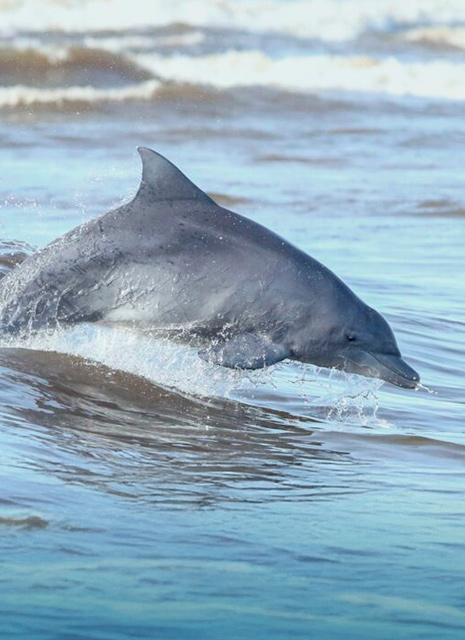
  • Lahille’s Bottlenose Dolphin
    CRITICALLY ENDANGERED
    Lahille’s Bottlenose Dolphin
    Lahille’s Bottlenose Dolphin
    (Tursiops gephyreus)
    Genomic data indicated high levels of inbreeding and loss of genetic diversity more than 500 generations ago, as well as a sharp decline in effective population size over the past two centuries. These findings are essential for defining strategies to prevent the extinction of this species.
    Distribution
    Lahille’s bottlenose dolphin inhabits shallow waters in southern Brazil, Uruguay, and Argentina, frequenting bays, estuaries, and lagoons. In Brazil, it is concentrated in Rio Grande do Sul and Santa Catarina, with occasional records in Paraná. In Laguna, it maintains a unique cooperative fishing relationship with artisanal fishers.
    Conservation status
    Critically Endangered (CR), it faces incidental capture in fishing nets, pollution, vessel traffic, and coastal development. Without effective measures, the population could experience severe declines in just one generation.
Watch the video and learn more about this transformative initiative
Project objectives

The GBB project aims to generate genetic and genomic data to support the conservation and sustainable use of Brazilian biodiversity.

1
Develop research to generate genetic and genomic data on species of Brazilian biodiversity, focusing on threatened species, data-deficient species, invasive exotics, and those of bioeconomic interest.

2
Conduct case studies and establish biodiversity sampling protocols in federal protected areas using environmental DNA metabarcoding techniques.
3
Support actions under the National Action Plans (PANs) and ICMBio’s Monitora Program, contributing genetic diagnostics for the conservation of Brazilian fauna.
4
Promote the training of human resources skilled in the use of genomic tools applied to biodiversity conservation.
5
Establish a national network for genomics applied to conservation, bringing together researchers from public and private institutions for collaborative work.
6
Involve traditional communities in projects focused on species of bioeconomic interest, promoting inclusion and valuing sociobiodiversity.
7
Generate and make available genomic references of Brazilian biodiversity species in public databases, expanding access to scientific information.
Genometer

Follow GBB’s progress in its mission to sequence Brazil’s biodiversity — from complete genomes to environmental samples — and see how we are advancing toward the goals set for 2028.

Reference Genomes
Reference Genomes
32
Sequenced
80
Estimated
Population Genomes
Population Genomes
477
Sequenced
1000
Estimated
Mitogenomes / Plastomes
479
Sequenced
1600
Estimated
Environmental Samples / Metabarcoding
473
Sequenced
1600
Estimated
The project in numbers
Data updated on May 17, 2025
Species studied
514
Species studied
People trained or capacitated
236
People trained or capacitated
Amount executed
R$ 40,93 MM
Amount executed
Partners
107
Partners
Researchers involved
289
Researchers involved
Research fellows funded
54
Research fellows funded
Scientific articles
5
Scientific articles
Training events
14
Training events
Technical productions
27
Technical productions
Approved projects
123
Approved projects
Sequencing performed
1461
Sequencing performed
ICMBio research centers
14
ICMBio research centers
How it started

The GBB is the result of a joint effort between ITV and ICMBio, combining expertise in research and environmental management to create a national initiative focused on applying genomics to the conservation of Brazil’s biodiversity.
2022

June
Conceptualization of the Genomics of the Brazilian Biodiversity (GBB) Project.
June
October
Signing of R&D Partnership Agreement No. 01/2022 between ITV and ICMBio.
October

2023

January
Start of project execution.
January
May
Hybrid integration workshop between the GBB and GenoTropics projects.
May
September
Workshop for defining target species and pilot projects.
September
October
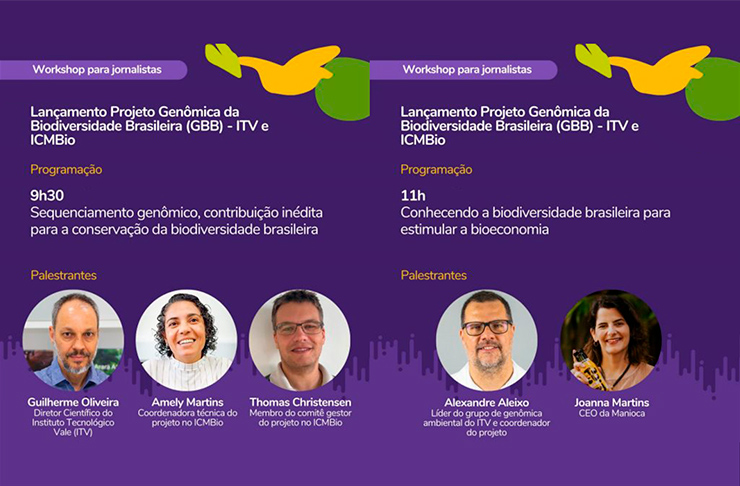
Workshop for journalists: official project launch.
October
November
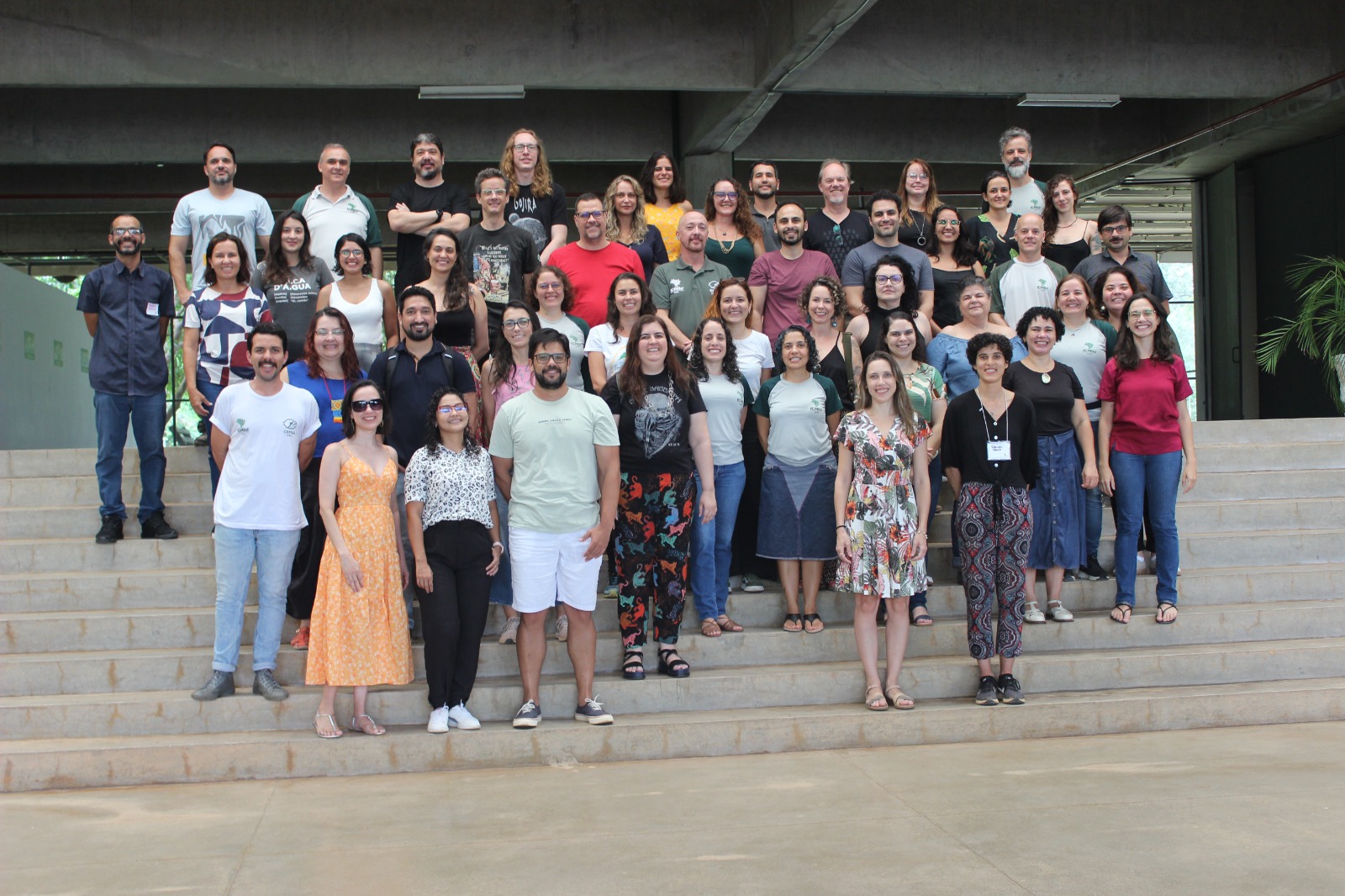
Training workshop on Metabarcoding, Barcoding, and Metagenomics.
November
December
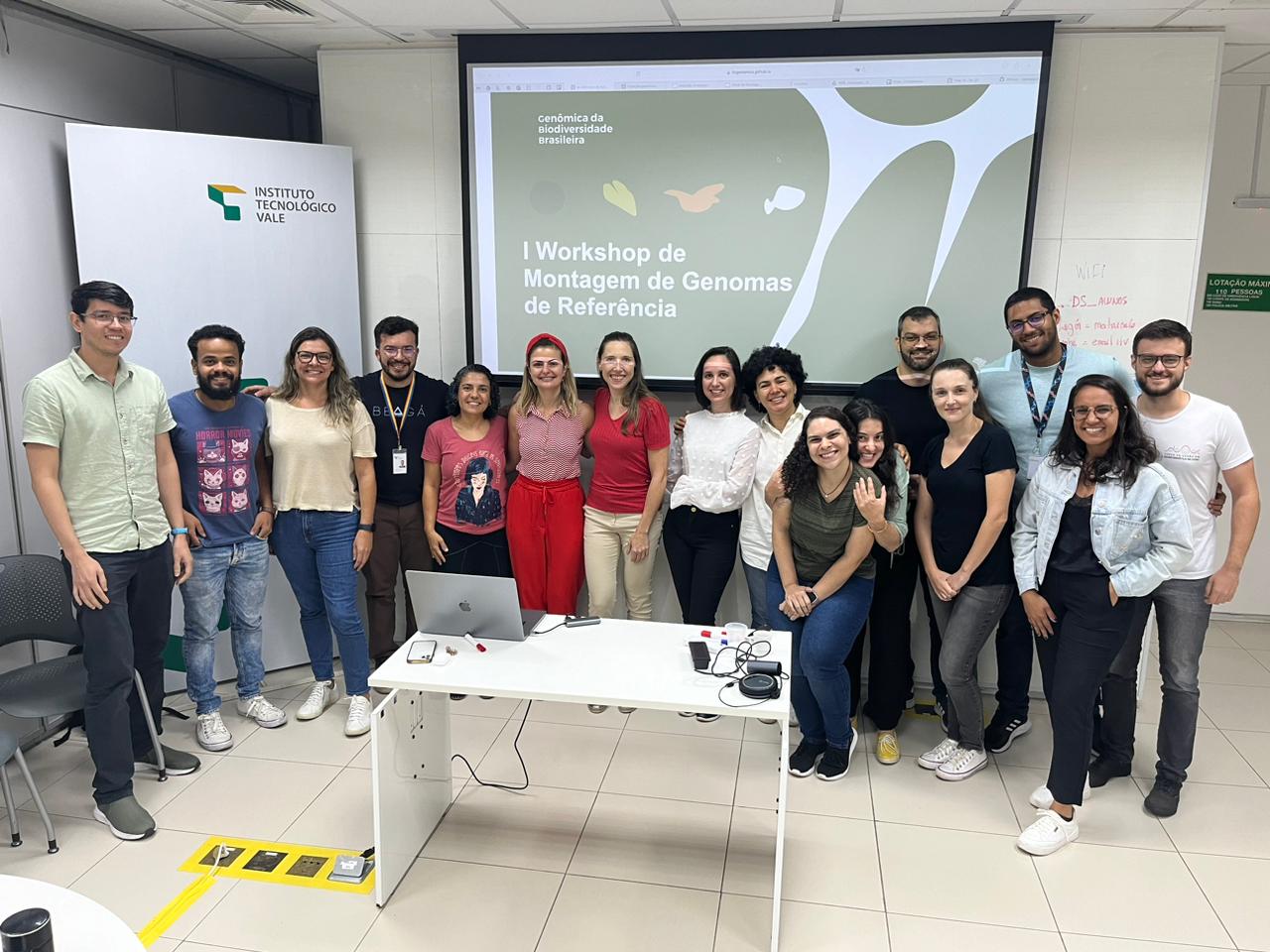
Training workshop on Reference Genome Assembly.
December

2024

June
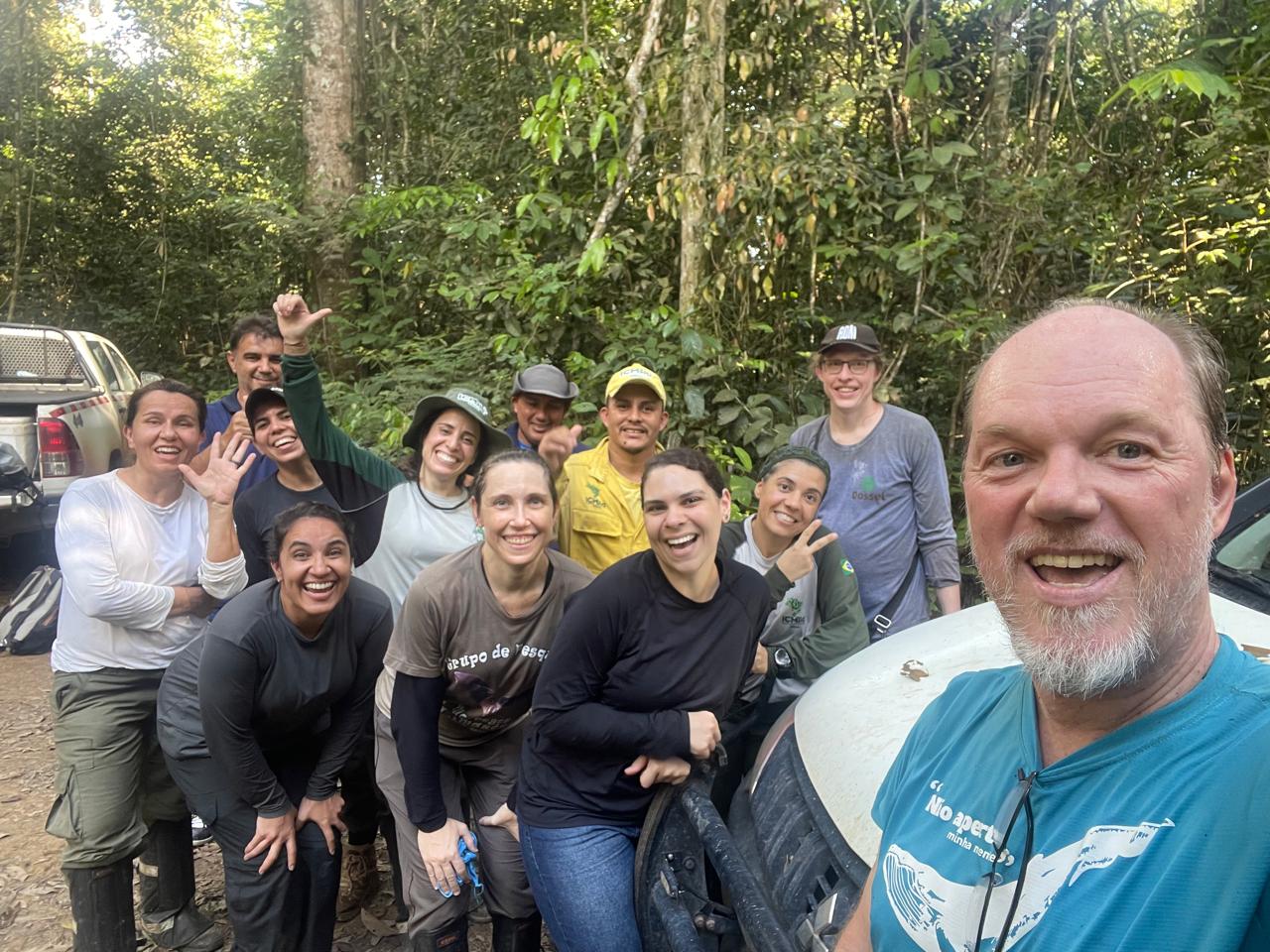
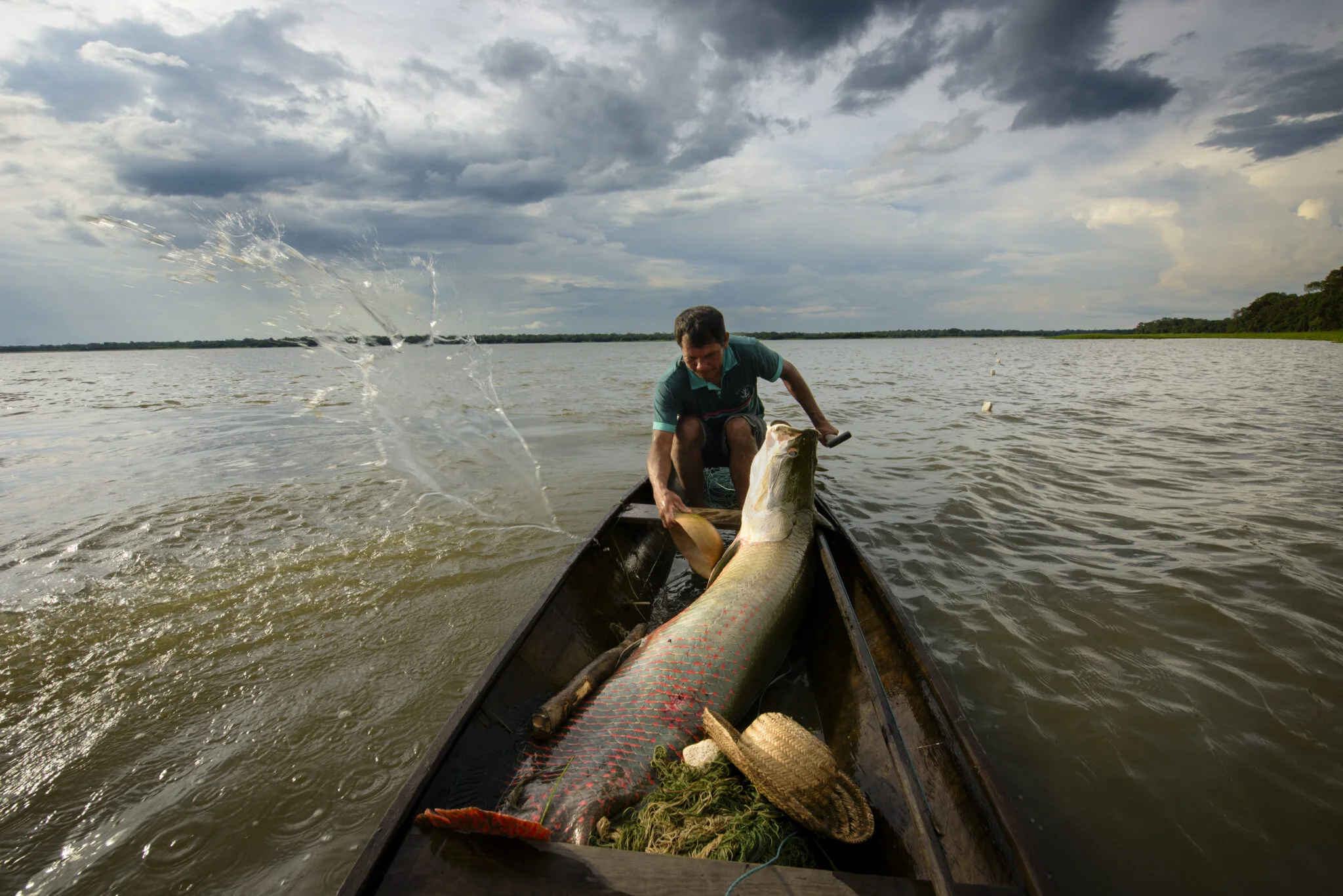
First environmental DNA metabarcoding expedition (Tapajós National Forest, Pará).
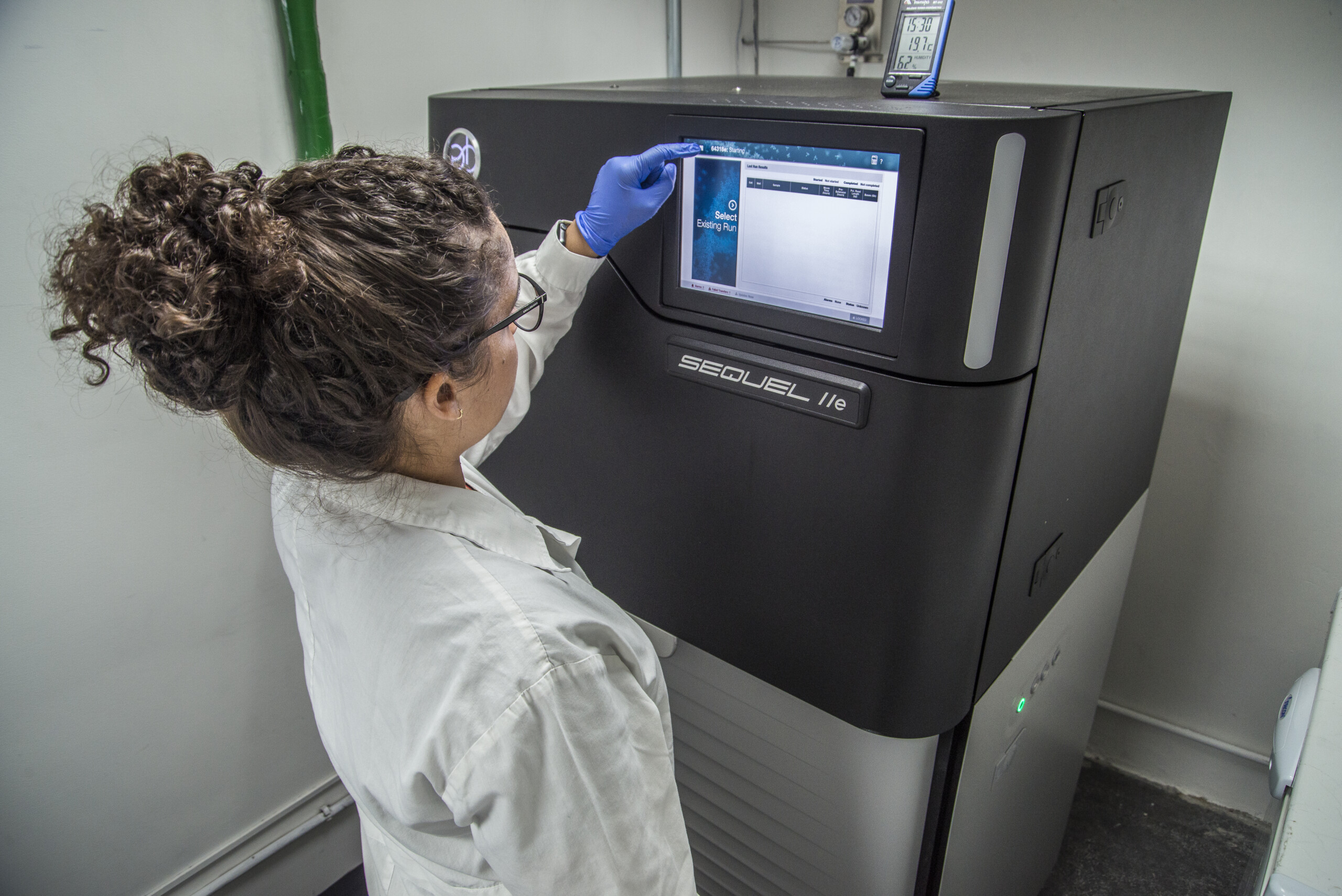
Training workshop on Manual Curation of Reference Genomes.
June
September
Special session about the project at the 9th International Barcode of Life Conference (iBOL 2024).

Second environmental DNA metabarcoding expedition (Rio Cajari Extractive Reserve, Amapá).
September
October
Publication of the white paper: Leveraging genomes to support conservation and bioeconomy policies in a megadiverse country (Vilaça et al., 2024)
October
November
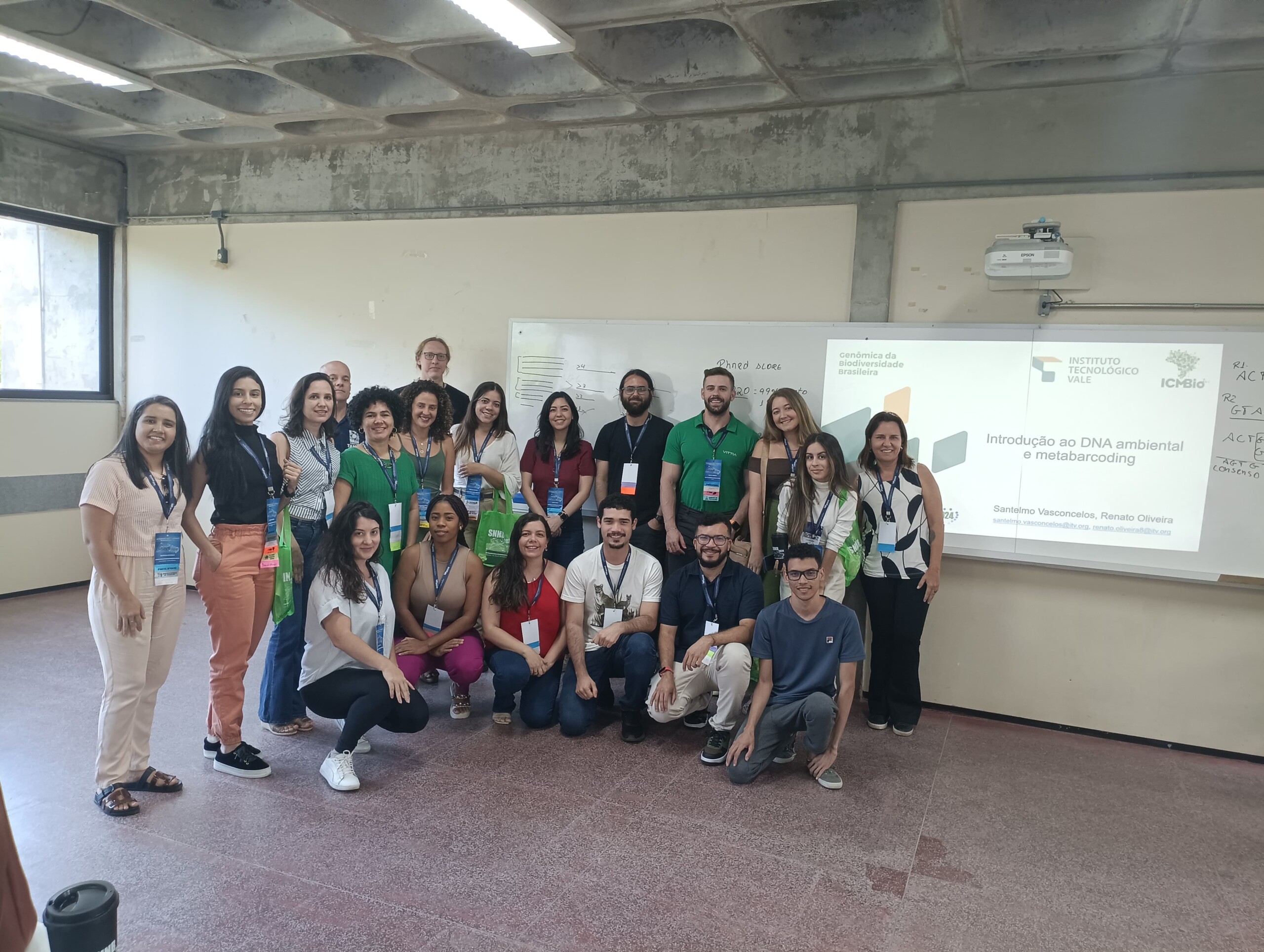
Training on Introduction to Environmental DNA and Metabarcoding.
November
December
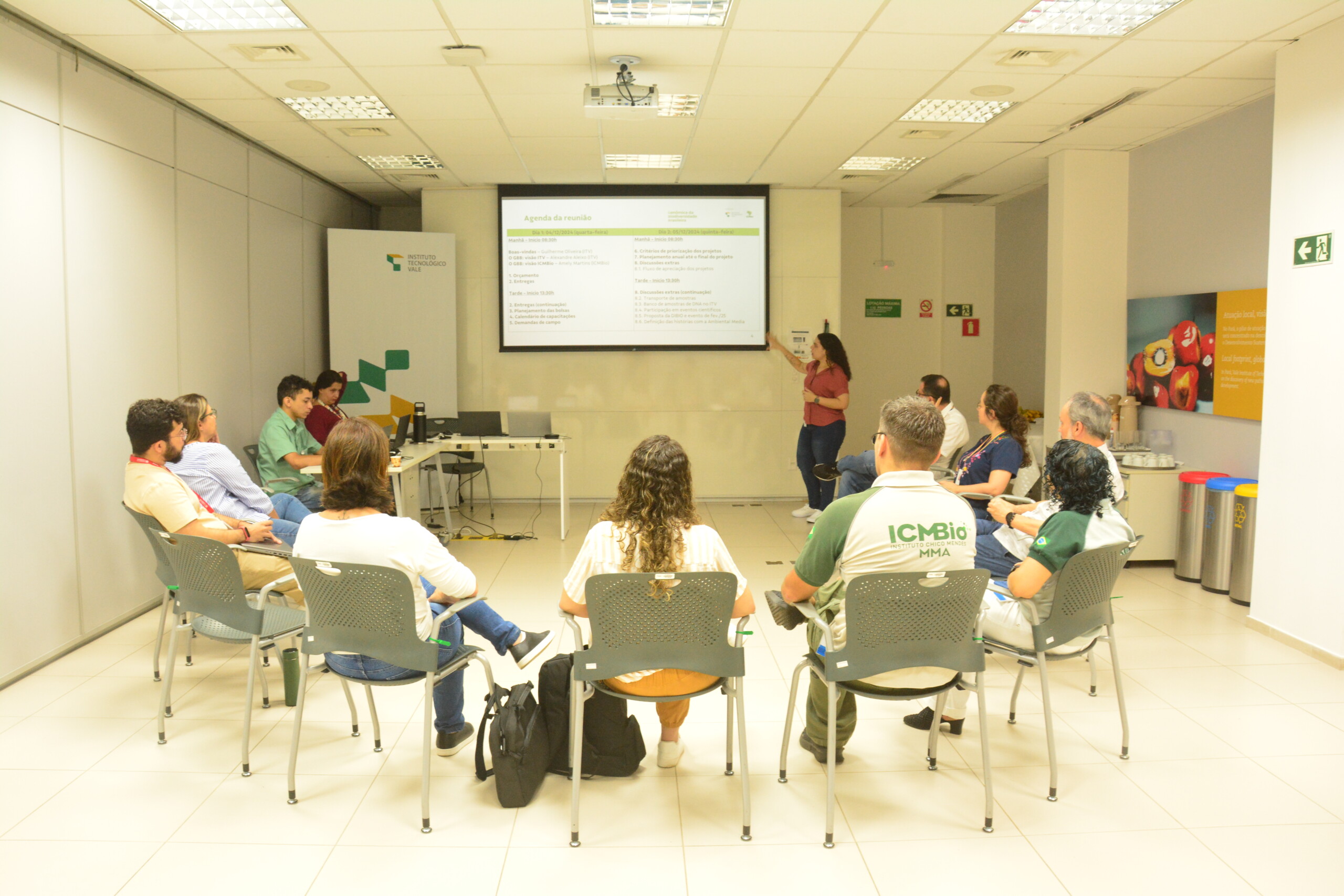
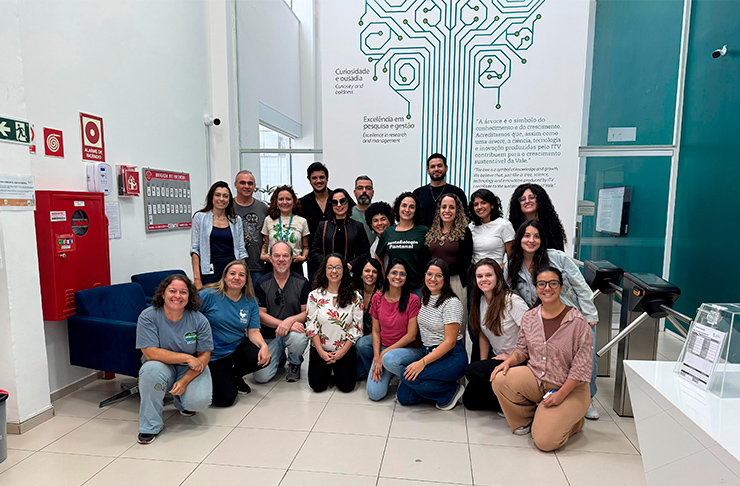
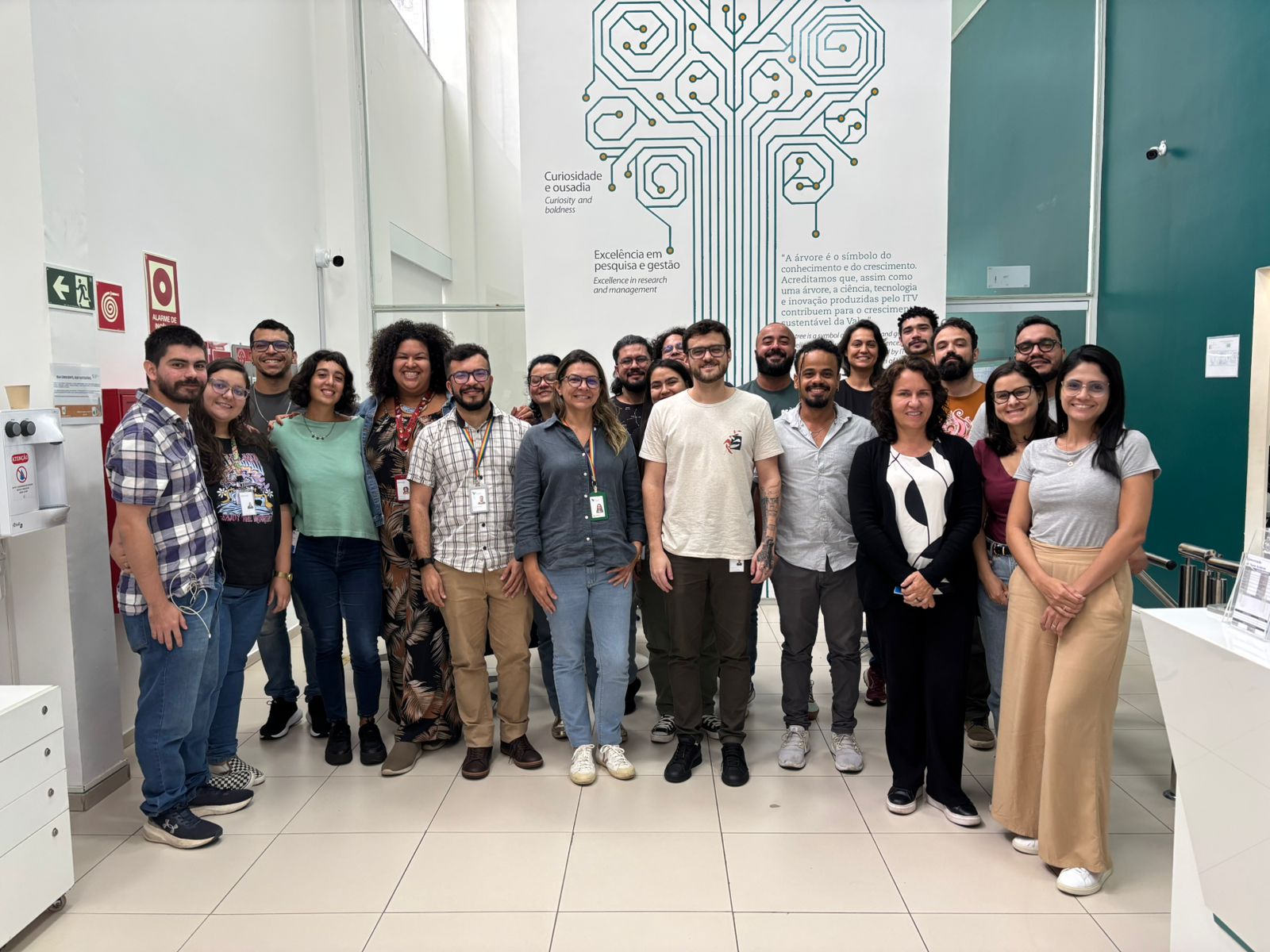
Joint meeting of ITV and ICMBio Management Teams to plan the next years of the GBB project.
December

2025

March
Training on Environmental DNA Metabarcoding Data Analysis.
March
April
Theoretical Course on Population Genomics Applied to Conservation.
April
May
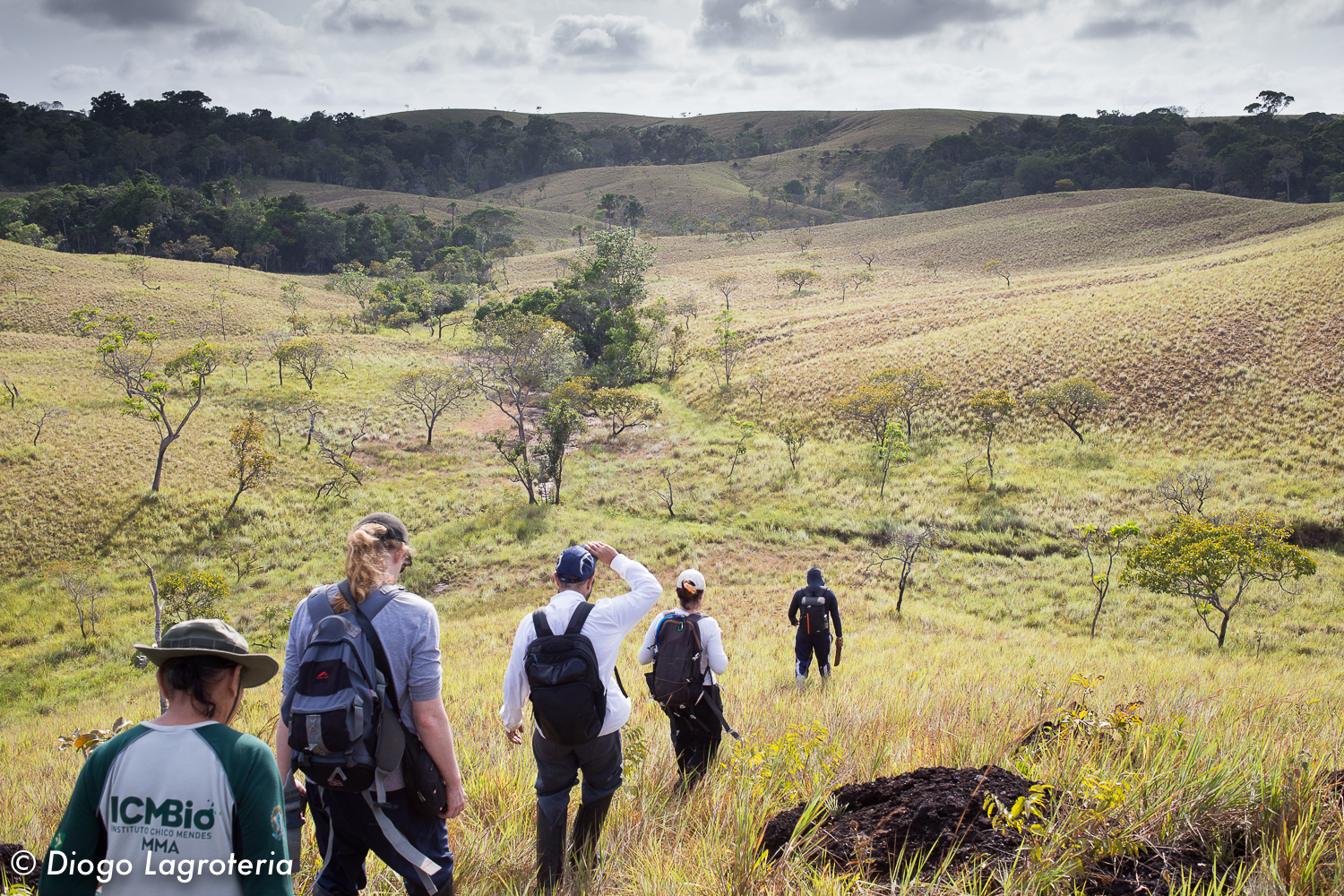
Third environmental DNA metabarcoding expedition (Lagoa do Peixe National Park, Rio Grande do Sul).

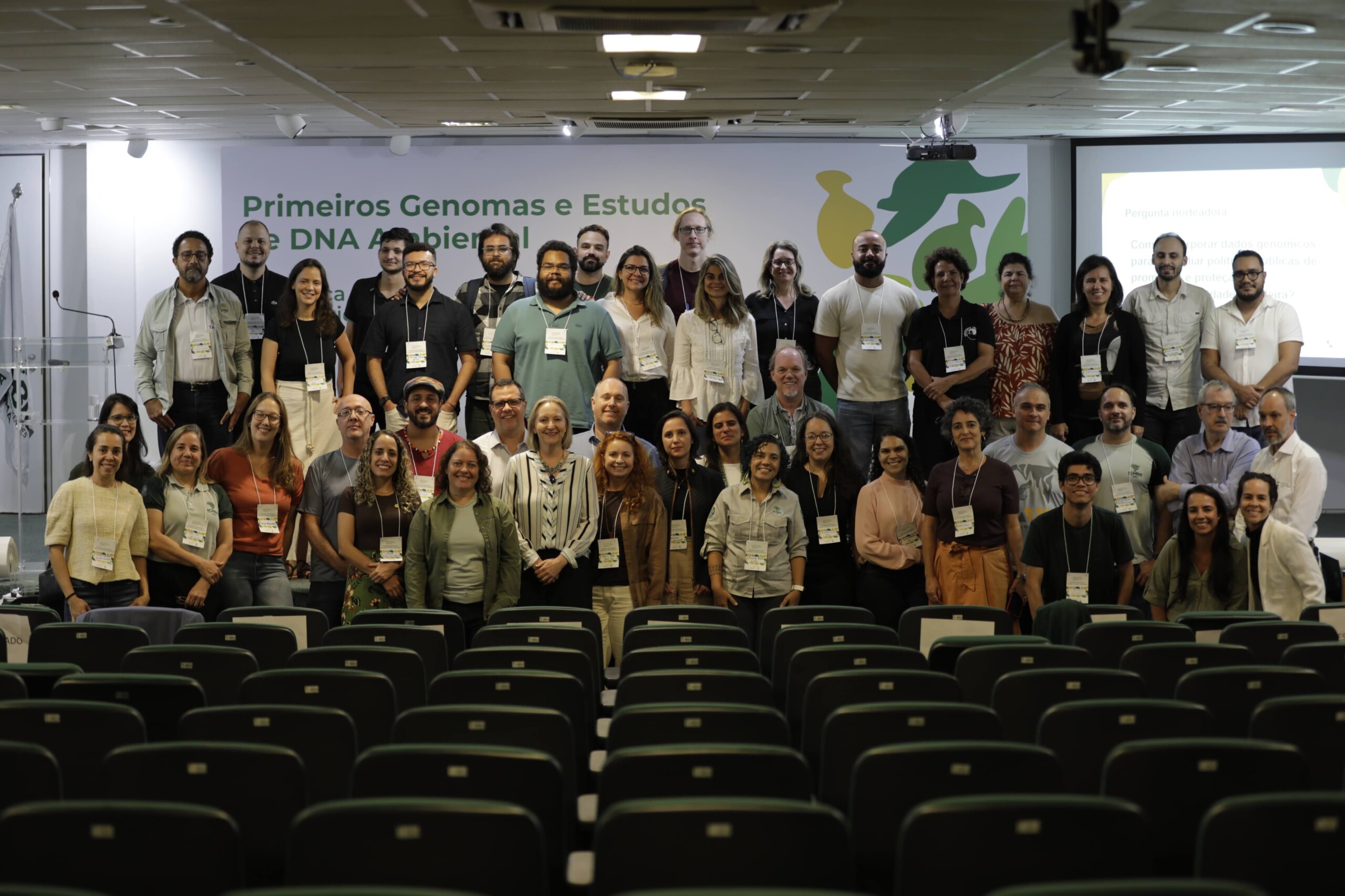
Event “Genomics of the Brazilian Biodiversity: First Genomes and Environmental DNA Studies,” held at ICMBio headquarters in Brasília.
May
June
Practical Course on Population Genomics Applied to Conservation.
June
July
Training on Organellar Genome Assembly and Phylogeny.
July
September
Webinar "Unveiling the Genome of Brazilian Biodiversity," with the launch of the first three GBB stories on the Mata N'Ativa platform.

Fourth environmental DNA metabarcoding expedition (Costa dos Corais Environmental Protection Area and Lagoa do Jequiá Extractive Reserve, Alagoas).
September
October
Training “Genomic Sequencing: Fundamentals and Applications in Bioeconomy, Conservation, and Health”.
October
November
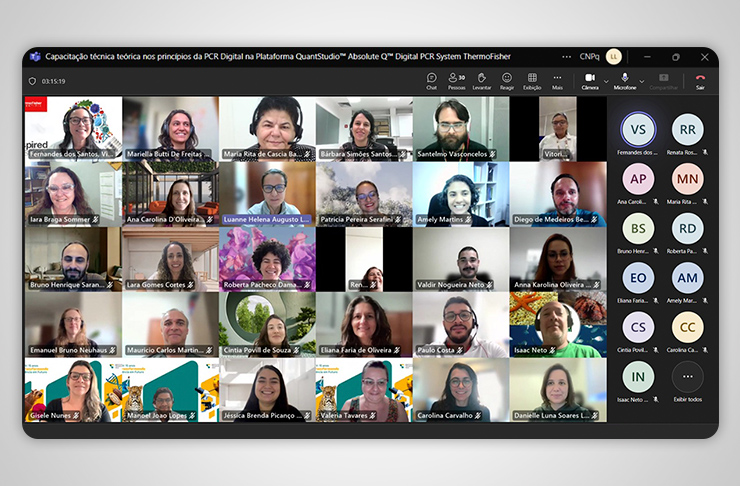
Theoretical Training on the Principles of Digital PCR.
November

How to participate

The GBB is constantly seeking collaborations to expand the use of genomic tools in biodiversity conservation. Interested parties can identify thematic affinities with the different focal points of ICMBio and ITV DS and get in touch to discuss possible collaborations.